










Micro Data Centers
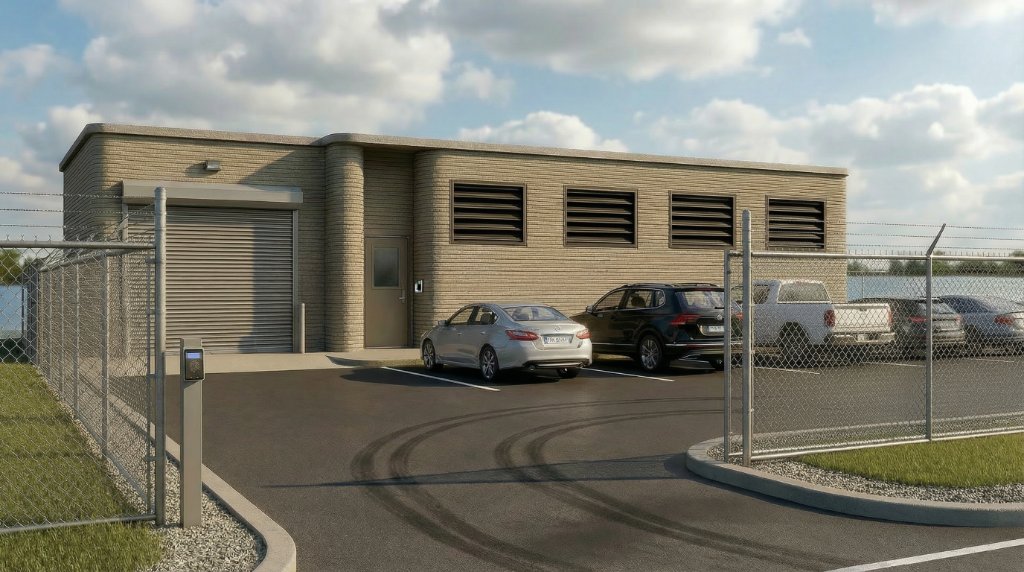
Micro data centers represent specialized computing infrastructure designed for distributed edge computing deployments. Unlike traditional centralized data centers occupying tens of thousands of square feet, micro facilities typically range from 500 to 2,000 square feet while providing self contained environments housing 10 to 50 server racks with integrated power distribution, cooling systems, and network connectivity. 3D construction printing technology transforms micro data center deployment economics through automated concrete shell fabrication that delivers secure, durable facilities in weeks rather than months.
Physical Infrastructure Advantages Of Concrete Construction
Data center infrastructure requires robust physical structures that protect sensitive computing equipment from environmental hazards, unauthorized access, and equipment failures that threaten operational continuity. Traditional micro data center construction relies on prefabricated metal buildings or converted commercial spaces that provide minimal security and limited environmental control. These lightweight structures offer inadequate protection against forced entry, electromagnetic interference, and severe weather events that jeopardize facility availability.
3D printed concrete shells deliver superior physical protection through monolithic wall construction that resists penetration attempts far more effectively than metal panel assemblies. The mass concrete provides inherent electromagnetic shielding that reduces external interference while preventing signal leakage that could compromise data security. This EMI shielding capability proves critical for defense applications, financial services, and healthcare deployments where electromagnetic security complements cybersecurity measures to protect sensitive information.
Structural Durability And Long-Term Resilience
Computing infrastructure requires multi decade service life to justify capital investment and support long term capacity planning. Lightweight metal structures deteriorate through corrosion, panel separation, and structural fatigue that compromise building integrity over 15 to 20 year periods. Maintenance costs escalate as structures age, while facility downtime for repairs disrupts operations and reduces infrastructure availability.
Reinforced concrete construction provides 50+ year structural life with minimal maintenance requirements. The material resists environmental degradation, requires no periodic refinishing or panel replacement, and maintains structural integrity despite exposure to temperature cycling, humidity, and atmospheric contaminants. This durability translates to lower lifecycle costs and higher infrastructure availability compared to metal construction alternatives. The concrete structures also withstand hurricane-force winds, seismic events, and impact loads that would damage or destroy conventional buildings, ensuring operational continuity during natural disasters when computing capacity proves most critical.
Rapid Deployment Through Automated Construction
Edge computing deployments require distributing facilities across multiple geographic locations to provide necessary coverage and reduce network latency. Conventional construction methods cannot scale efficiently to multi site programs due to mobilization costs, local contractor availability, and extended project timelines that consume 6 to 12 months per facility. These constraints delay infrastructure deployment, increase financing costs, and prevent operators from capturing time sensitive market opportunities.
Automated construction printing compresses structural construction to 8 to 12 weeks per facility, enabling accelerated deployment programs that bring computing capacity online months earlier than conventional approaches. The technology accommodates simultaneous construction at multiple sites using standardized designs that ensure consistent quality regardless of location. This deployment speed provides strategic advantages for telecommunications providers expanding 5G infrastructure, cloud operators building edge computing networks, and enterprise organizations establishing distributed computing resources to support latency sensitive applications.
Standardization Benefits For Distributed Infrastructure
Operating distributed micro data center portfolios requires standardized facility designs that simplify equipment installation, reduce operational training requirements, and enable efficient maintenance procedures. Conventional construction struggles to maintain consistency across multiple sites due to local contractor variability, material availability differences, and construction quality variations inherent in manual building processes.
Construction printing delivers factory like consistency through digital fabrication processes that reproduce designs precisely across all deployment locations. This standardization enables operators to develop streamlined installation procedures, maintain common spare parts inventories, and cross train technical staff across facilities. The resulting operational efficiencies reduce ongoing costs while improving infrastructure reliability through consistent construction quality and simplified maintenance protocols that characterize well managed data center portfolios.