Affordable Housing Solutions
Municipalities, housing authorities, and nonprofit developers face persistent challenges delivering affordable housing within constrained budgets. Traditional construction methods cannot achieve the cost points required to serve low and moderate-income households without substantial subsidies that exceed available public funding. 3D construction printing technology addresses this economic barrier by reducing construction costs approximately 30% while accelerating project delivery timelines by 50%, enabling financially viable affordable housing development that serves more families per invested dollar.
Cost Reduction Through Construction Automation
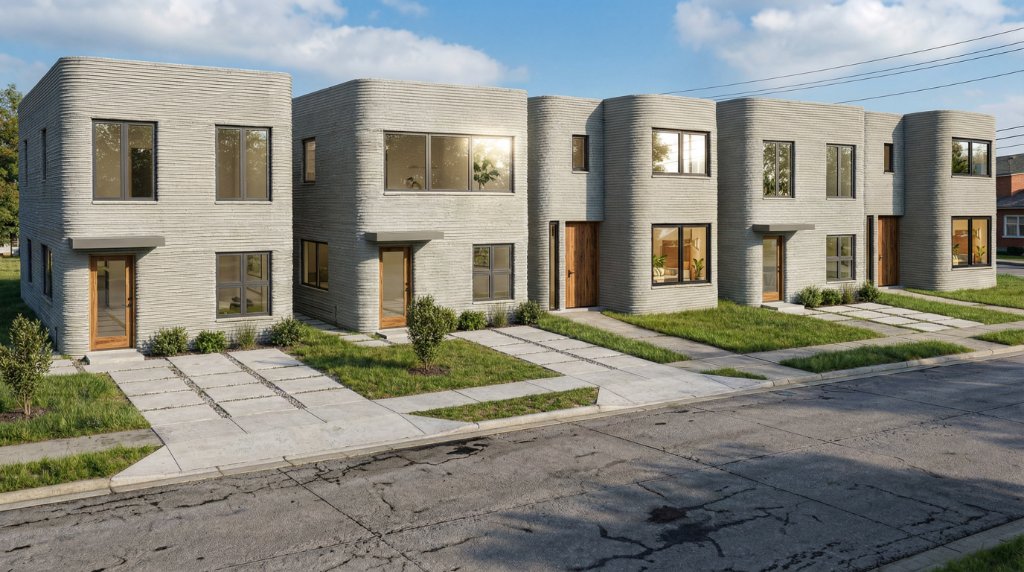
Conventional residential construction relies heavily on skilled labor for framing, masonry, and carpentry work. Labor represents 40-50% of total construction costs in most markets, with rates increasing due to persistent workforce shortages in building trades. This labor dependency creates cost volatility that undermines project budgets and complicates financing for affordable housing developments operating on minimal margins.
Construction printing automates structural wall fabrication, reducing labor requirements by approximately 80% during the structural phase. A small crew of technicians operates printing equipment and monitors quality, replacing large framing or masonry teams. This labor reduction directly translates to cost savings while insulating projects from labor market volatility. The technology substitutes predictable equipment and material costs for variable labor expenses, providing the cost certainty essential for affordable housing financing.
Material efficiency contributes additional savings. Automated deposition places concrete precisely where structural requirements demand, eliminating waste inherent in conventional construction methods. The monolithic wall systems reduce material complexity by integrating structure, thermal mass, and building envelope in single components, simplifying construction while reducing installed costs per square foot.
Accelerated Delivery For Public Housing Programs
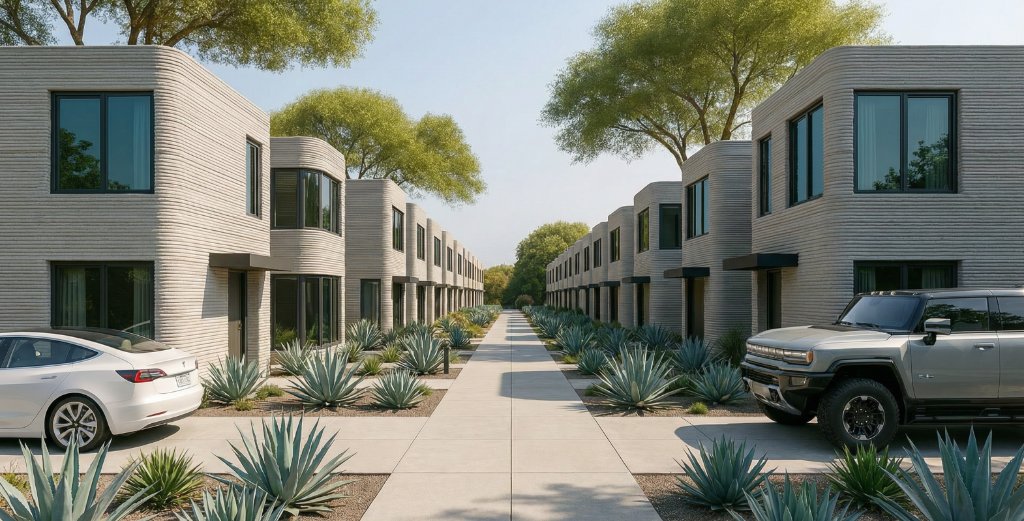
Public agencies managing affordable housing programs face pressure to demonstrate results within political cycles and funding deadlines. Construction delays that extend projects by months or years undermine program effectiveness and strain relationships with funding sources. Traditional construction schedules averaging 18-24 months for multi-family projects consume capital while producing no housing units, frustrating stakeholders and delaying assistance to families in need.
Automated construction printing compresses structural construction from 6-8 weeks to 2-3 weeks for typical residential buildings. This acceleration enables project completion in 10-14 months rather than 18-24 months, allowing housing authorities to place units in service faster and demonstrate program impact more rapidly. Earlier occupancy begins generating rental income sooner, improving project cash flows and enabling reinvestment in additional housing development.
Workforce Housing Applications
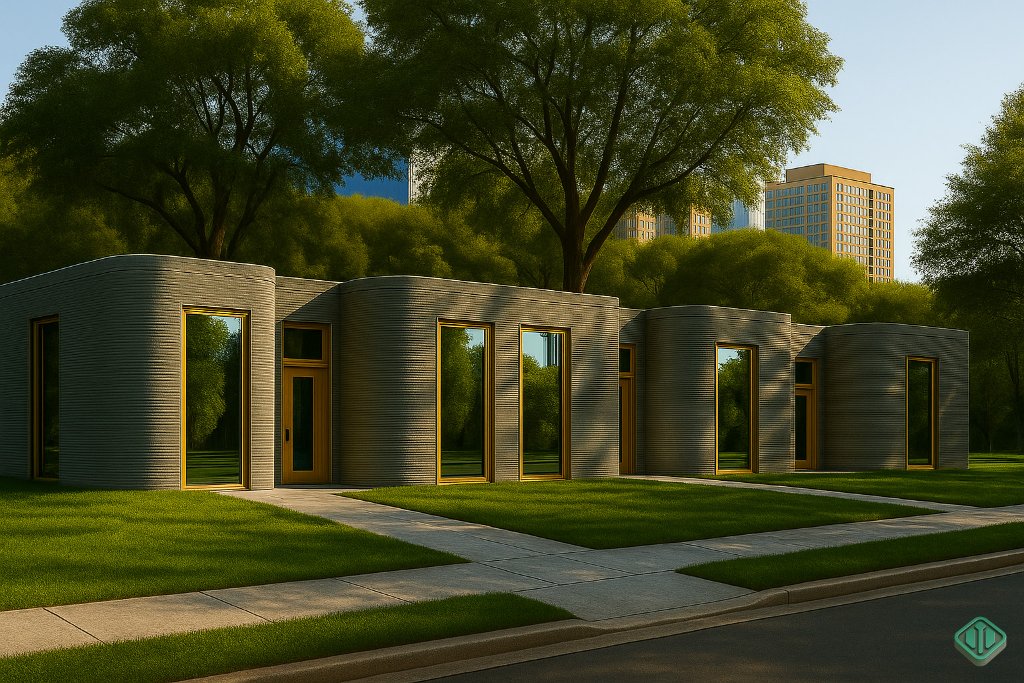
Essential workers including teachers, nurses, firefighters, and municipal employees increasingly struggle to afford housing in the communities they serve. This workforce housing crisis affects public service delivery, increases employee turnover, and burdens individuals with long commutes that reduce quality of life. Municipalities and employers recognize workforce housing needs but struggle to justify development costs using conventional construction methods.
Construction printing economics make workforce housing financially viable. School districts can develop teacher housing that attracts and retains educators while generating sufficient returns to justify public investment. Hospitals can provide workforce housing for healthcare professionals, improving recruitment in competitive markets. These 3D printed homes serve middle-income workers who earn too much for traditional affordable housing programs but cannot afford market-rate housing in high-cost areas.
Multi-Family Affordable Housing Development
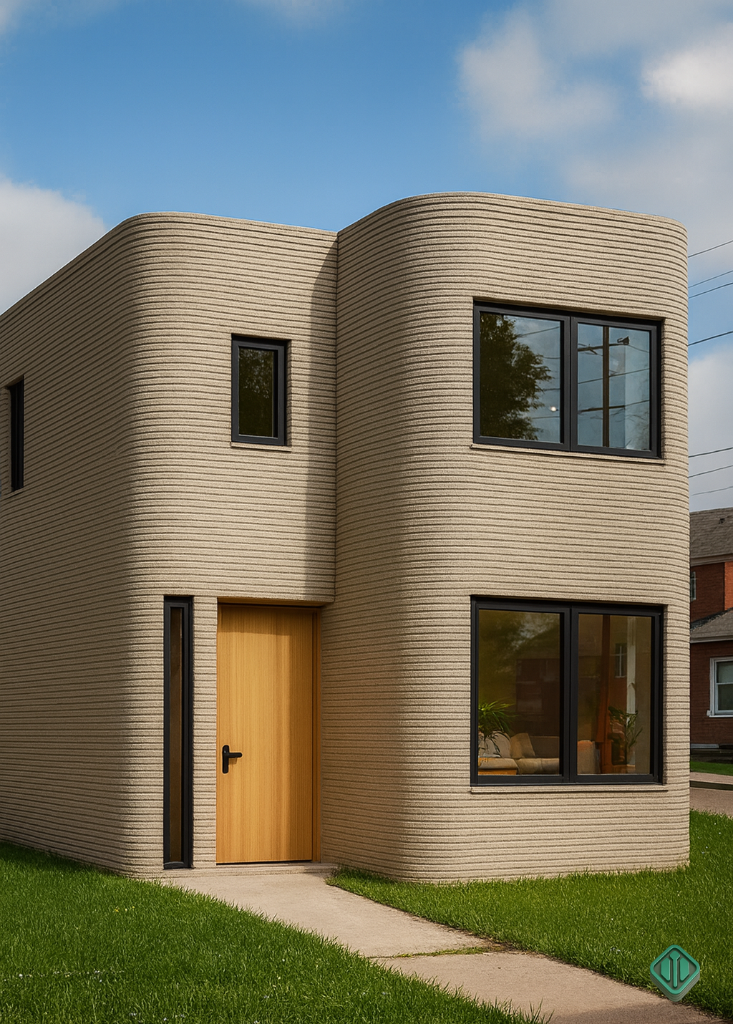
Multi-family affordable housing represents the most efficient application of construction printing technology for addressing housing shortages at scale. Developments ranging from 40 to 100 units achieve optimal efficiency by repeating similar floor plans while accommodating unit mix requirements for Low Income Housing Tax Credit programs. The consistent construction quality and predictable timelines satisfy investor due diligence requirements that often challenge affordable housing projects.
Nonprofit developers utilizing LIHTC financing benefit from reduced hard costs that improve project scoring in competitive allocation processes. The cost savings enable deeper affordability targeting, serving households at lower area median income thresholds while maintaining financial feasibility. Durable concrete construction reduces long-term maintenance costs that burden affordable housing operators managing constrained operating budgets over extended compliance periods.
Implementation For Public Sector Projects
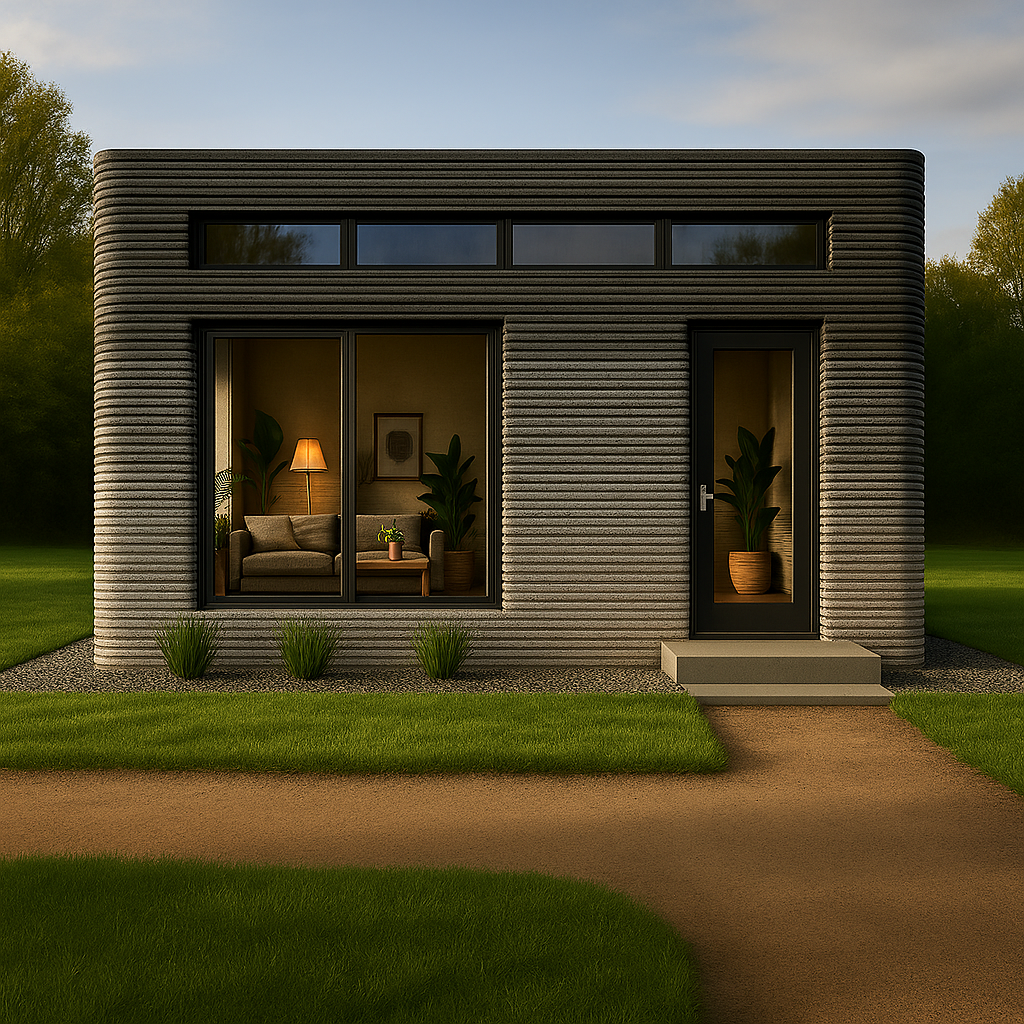
Public agencies considering construction printing for affordable housing programs require detailed cost documentation, schedule certainty, and quality assurance that satisfy procurement standards and political accountability requirements. The technology accommodates public sector needs through transparent pricing, detailed production documentation, and systematic quality control that meets or exceeds conventional construction standards.
Successful implementation requires collaboration between housing agencies, design professionals, and construction printing specialists during project planning. Early engagement ensures designs optimize printing technology advantages while meeting program requirements for accessibility, unit mix, and amenity provision. This integrated approach delivers affordable housing projects that achieve cost and schedule targets while satisfying stakeholder expectations for quality and performance.